
Ronald L. Ruiz
After reading Dostoyevsky's Crime and Punishment at the age of 17, Ron Ruiz says he knew he wanted to be a writer. But, he adds, he knew nothing about the craft. His first novel, Happy Birthday Jesús, was published 36 years later to good reviews.
120 Days
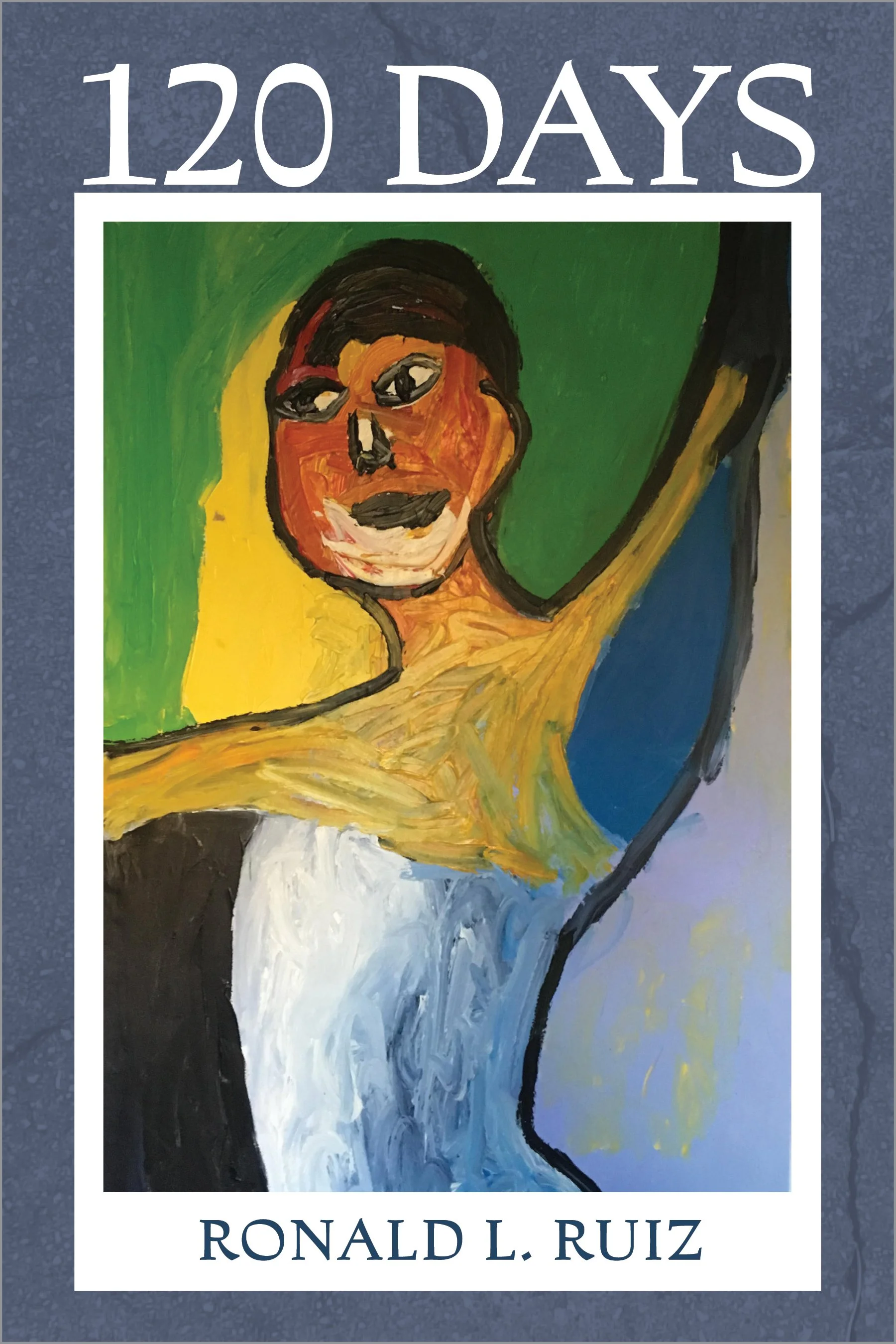
BARBARA BLAKE is a bright, young, attractive, and ambitious defense attorney. Alejandro Soto, an inmate already serving two life sentences for the brutal murder of a drug dealer and the man’s mother, is on trial for a third murder, one he did not commit but that could well result in the Death Penalty. When Blake and Soto meet in the San Cristobal, California courtroom, they begin a 120-day journey that will invariably alter both of their lives. Together, they spiral ever more deeply into the dark heart of a quintessentially American story of sex and love, truth and lies, justice and prejudice, crime and punishment, and, ultimately, life and death.
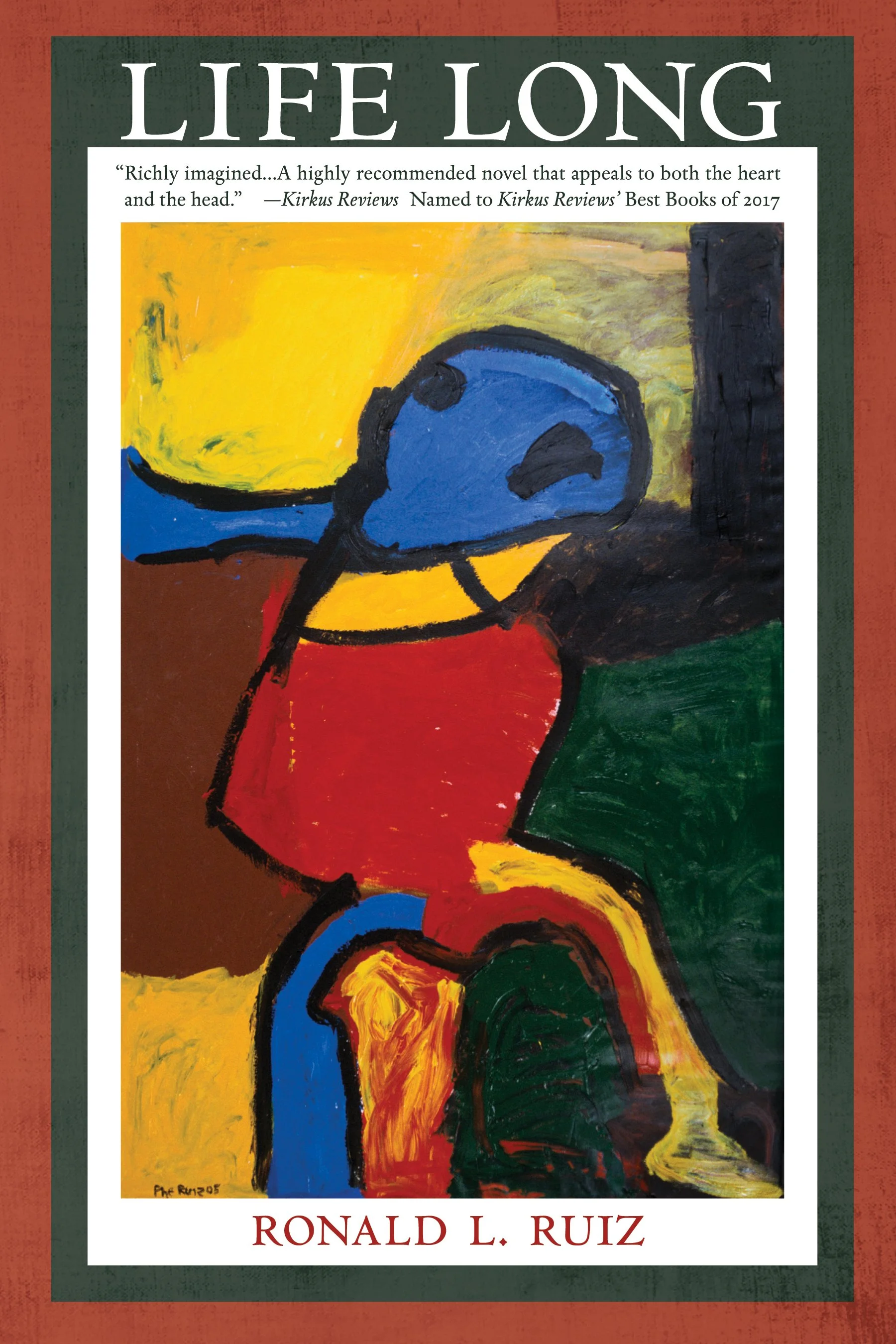
Lifelong
NAMED TO KIRKUS REVIEWS’ BEST BOOKS OF 2017
Ray Lopez is on the run with a duffel bag full of cash. Both drug dealers and the police are after him. But Ray is not a criminal. His last brush with the law was over traffic tickets. Recently released from the hospital with a diagnosis of schizophrenia, he is haunted by voices, auditory hallucinations, that frighten him and cause him to question his every move.
Ray’s journey from California to Laredo is perilous. Like so many Americans before him, he travels through unfamiliar territory with no clear way of knowing who will help and who will harm him. And he may well find himself on the wrong side of the border with a mind that has no borders.
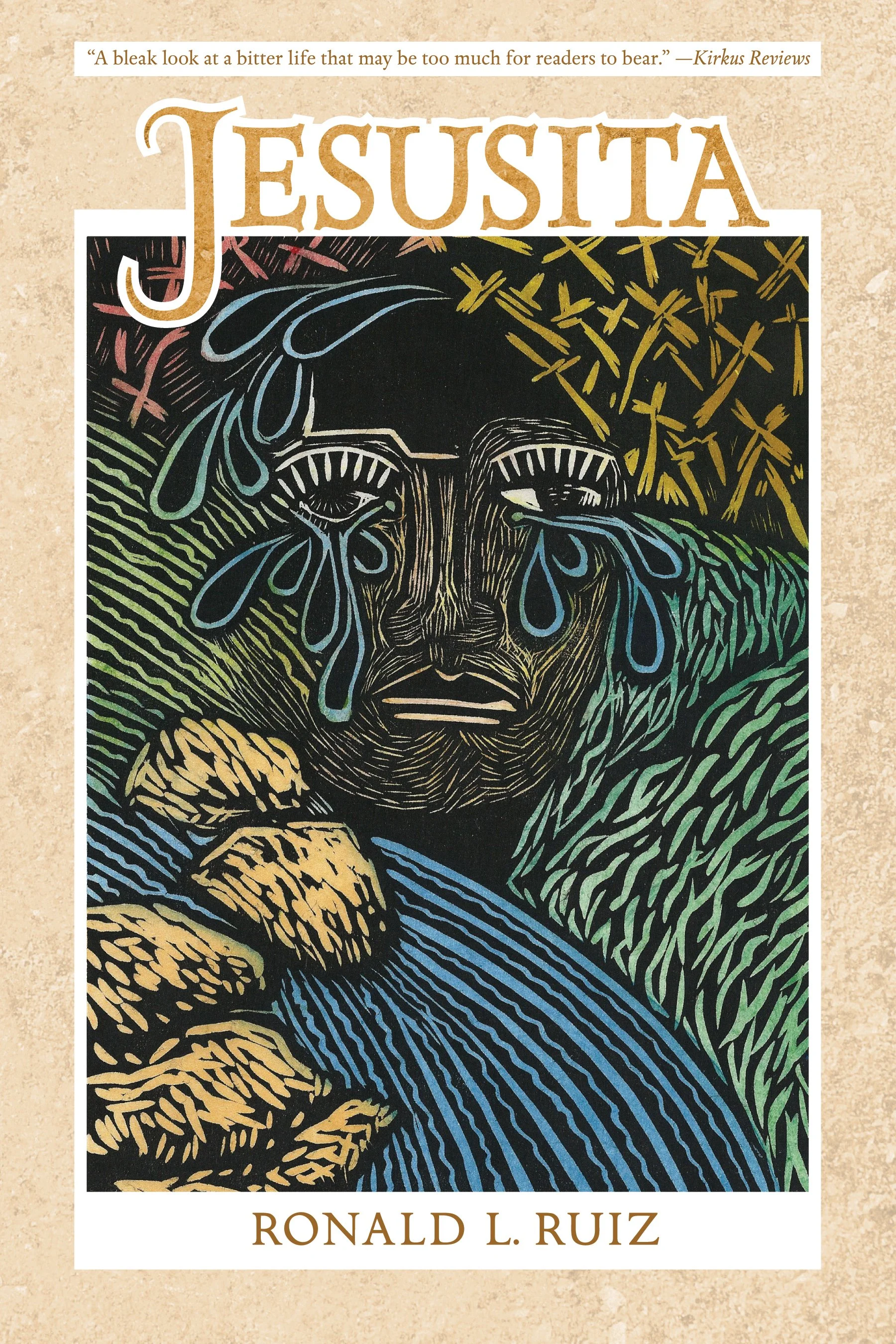
Jesusita
Jesusita is the story of immigrants—legal and illegal—trying to survive in California in the years after World War II. Jesusita, alone and impoverished, struggles to keep her four young children together. Though she finds support from Padre Montes at St. Teresa’s Catholic Church, her faith won’t solve her problems, especially those with her daughter, Paulina. Far from home, Filipino laborers are denied by law any contact with white women. Angie, the young daughter of an illiterate and unmarried mother, knows only one way to make money. And Felix, abandoned by his mother and separated from his only brother, is placed in a foster home on an isolated ranch. The interrelated lives of these people provide a complex, sometimes violent, and often tragic image of American poverty within the nation’s postwar boom.