
Barbara Monier
Barbara Monier is an award-winning contemporary fiction writer known for her deeply reflective, lyrical, character-driven novels. After studying writing at Yale University and the University of Michigan—where she made university history by winning the prestigious Hopwood Award for a screenplay—she has established a prolific career. Her work explores the underlying complexity of ordinary people navigating love, isolation, and moral ambiguity without easy answers.
Based in Evanston, Illinois, Monier is the author of seven published novels. In addition to Perfectly Enid and Perfectly Hugo, Monier’s works include The Rocky Orchard and Pushing the River, both of which earned medals for Literary Fiction from the Readers’ Favorite Awards.
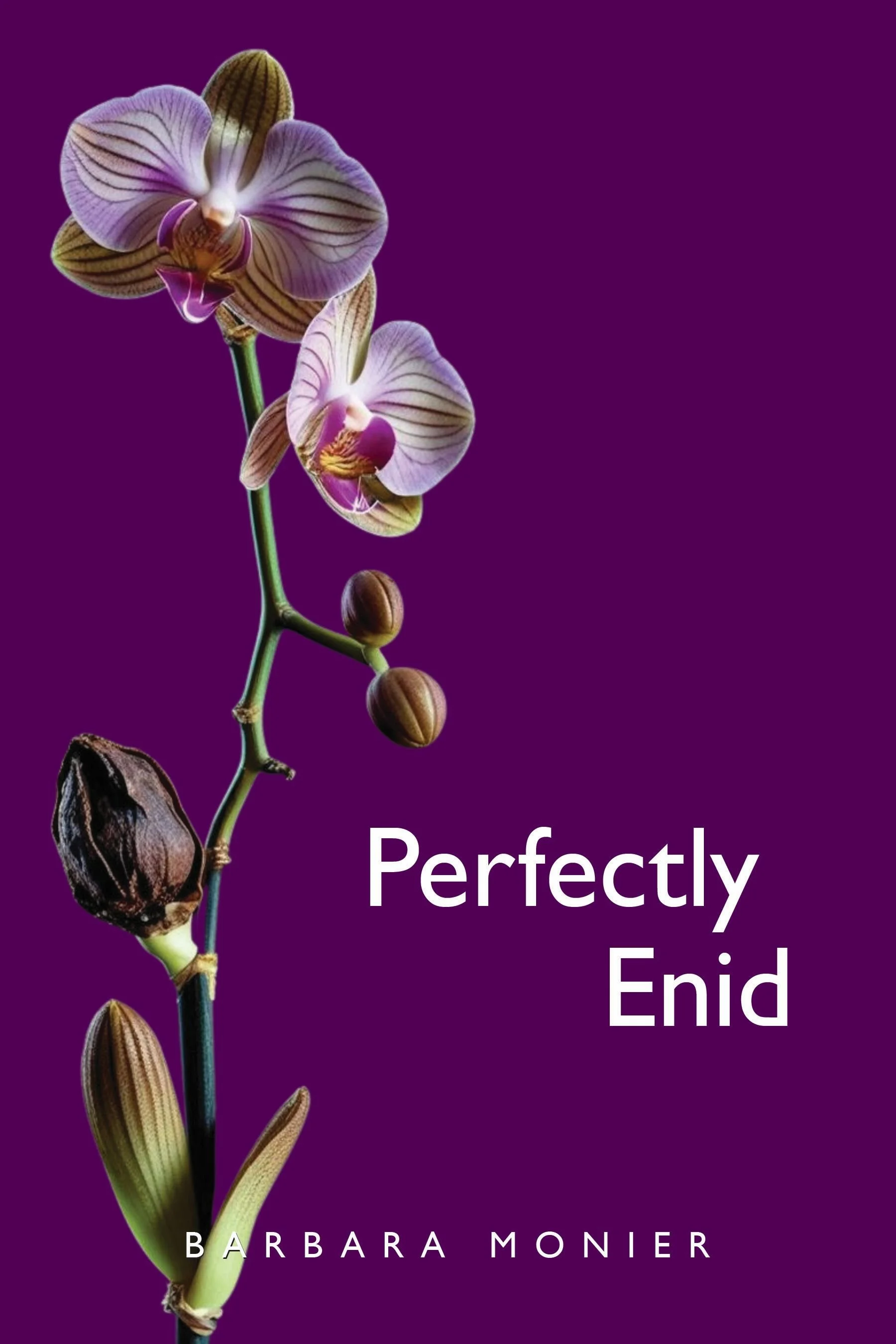
Perfectly Enid
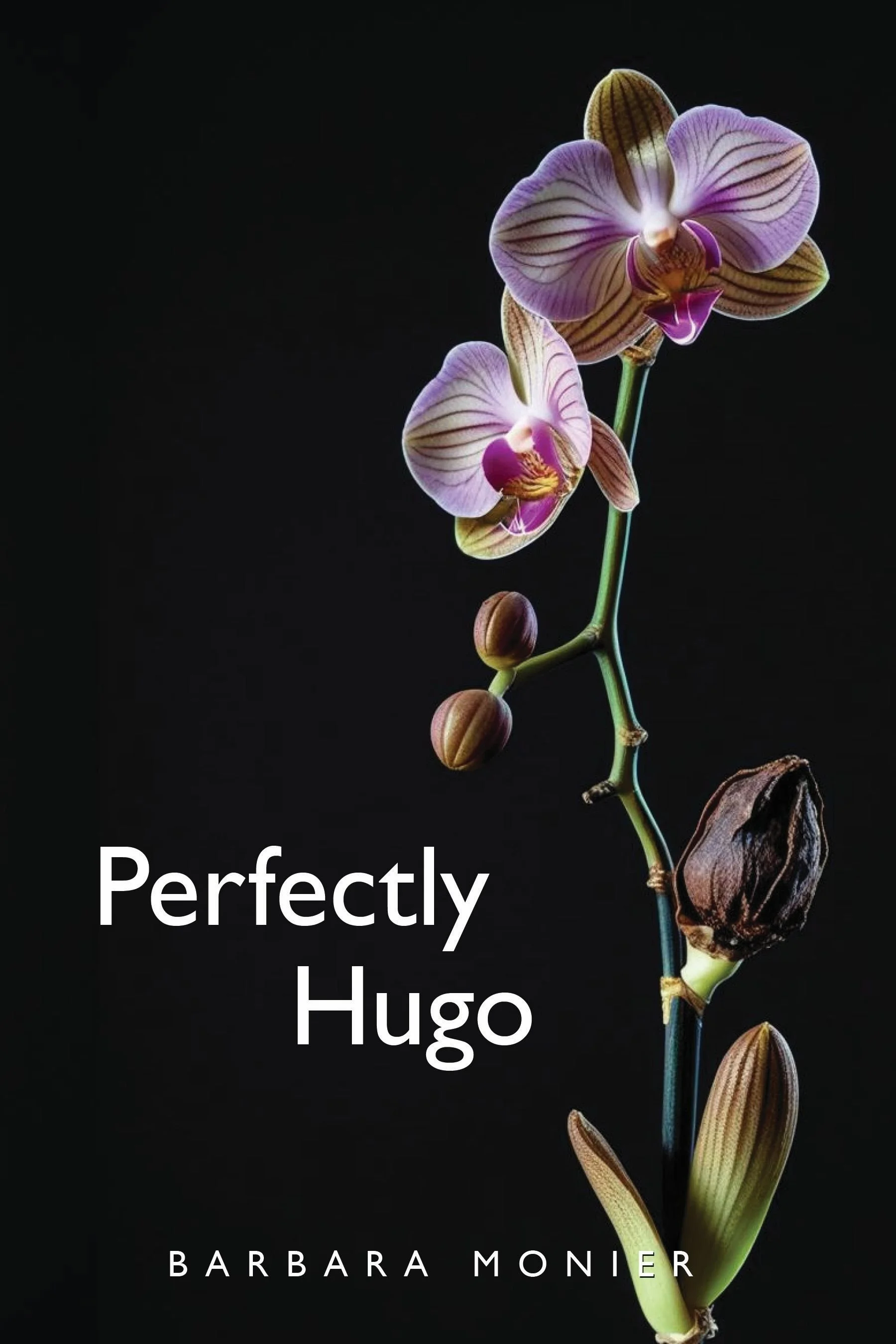
Perfectly Hugo
In Perfectly Enid, the riveting companion novel to 2025’s Perfectly Hugo, the roles have reversed, but the choices faced by the grieving spouse are unchanged.
What if you could bring back the person you loved most?
After Enid dies, Hugo cannot accept that she is gone. So when he discovers a technology capable of reconstructing the dead, he does the unthinkable: he brings his wife back.
At first, it feels like a miracle.
Enid is there again. Her voice. Her humor. Her memories. Her maddening ability to disagree with Hugo. Their old rhythms return with startling ease. Hugo throws himself into the life they once shared, determined to give them the time they were denied.
But something is not quite right.
Enid remembers some things differently. She asks questions Hugo doesn’t want to answer. She wanders into memories he has carefully avoided. And, little by little, Hugo begins to understand that bringing Enid back may not be about recovering the past at all.
Perfectly Enid is a tender, funny, and ultimately heartbreaking story about love, memory, grief, and the impossible temptation to hold on to someone forever. Because sometimes the greatest act of love is not bringing someone back.
It is finally learning how to let them go.
Perfectly Hugo is a gently provocative and emotionally layered novel that explores the boundaries of love, memory, and identity in an age of advancing technology.
Enid and Hugo built a life together—full of quiet joys, deep conversations, and unshakable devotion. But when faced with the inevitable, they make a decision few would dare: to sign with Assembled Souls, a cutting-edge company that offers the ultimate promise—rebirth through AI. If one of them dies, the other can bring them back.
A haunting meditation on the increasing loneliness of the modern world, Perfectly Hugo is ultimately a deeply human love story. Set against the background of a future that may be closer than we think, the book explores the uncertain path between the longing to hold tight and the desire to let go—a path that underpins grief, now brought into sharp relief by new technologies.
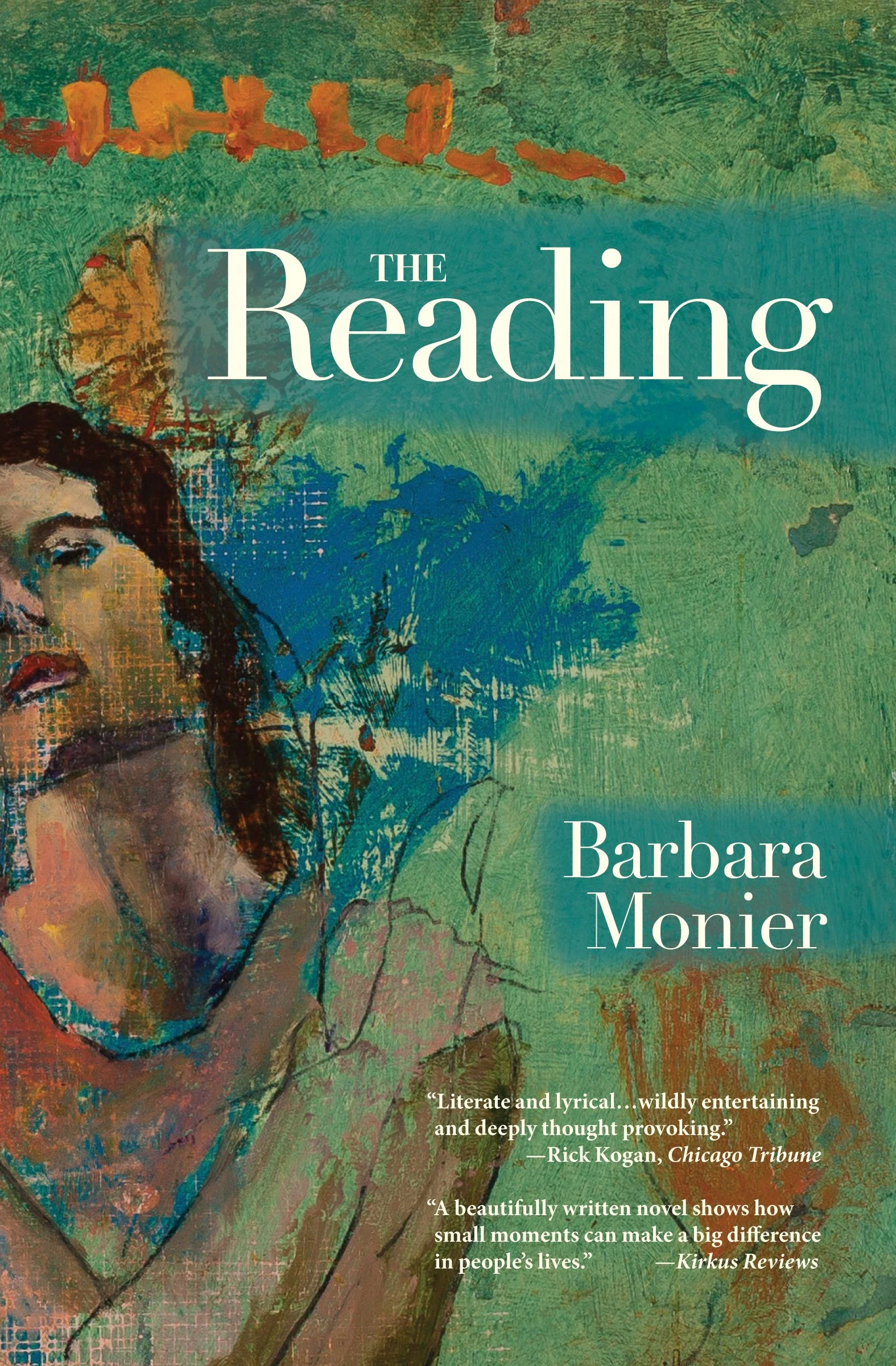
The Reading
An unexpected—and unrecognized—visitor attends veteran writer Esmé’s reading and brings events of forty years past squarely into her present. Struggling with writer’s block and uncertain about a future with her romantic partner, Esmé undertakes a journey through her own history. Esmé revisits a particular year she had written off as the worst of her life as well as her whirlwind early marriage. In the process, Esmé ultimately overcomes the wounded hesitancy that has characterized her life and rediscovers her former courage and openness to risk.
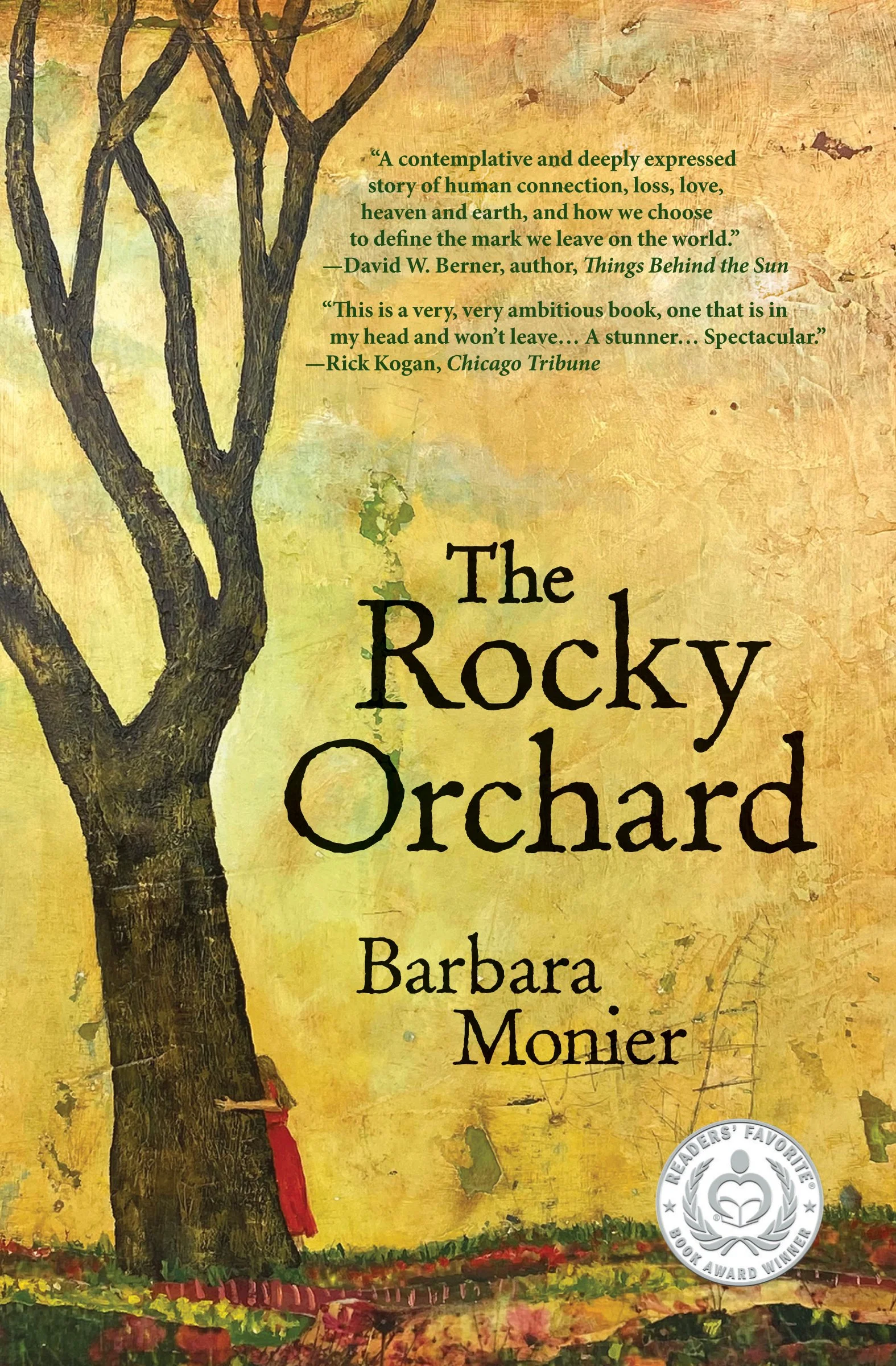
The Rocky Orchard
SILVER MEDAL WINNER, LITERARY FICTION, 2020 READERS’ FAVORITE AWARDS
Why has Mazie returned to her old farm—her family’s summer home and a pivotal refuge throughout her life?
While there, Mazie meets and befriends an elderly woman. Mazie is adrift on a sea of memory as she gazes toward the rocky orchard above the farmhouse when movement in the far distance captures her attention. Lula emerges eerily from the morning fog, and a gentle, cautiously loving relationship between youth and old age begins.
As the two women meet each morning to play cards, Mazie considers the shape of her life and the nature of her recollections through stories she tells to her new, older friend. The women travel together through Mazie’s stories as if they are tentatively feeling their way through the stony risks hidden by the mist beneath the apple trees. Like a vision that disappears into the distance, it becomes increasingly unclear exactly what events in Mazie’s life caused her to return to the farm. And as she explores the illusory intersection of past, present and future, Mazie begins to question whether it was, in fact, a coincidence that Lula came into view one cool morning—and whether anything she believes or feels is real.
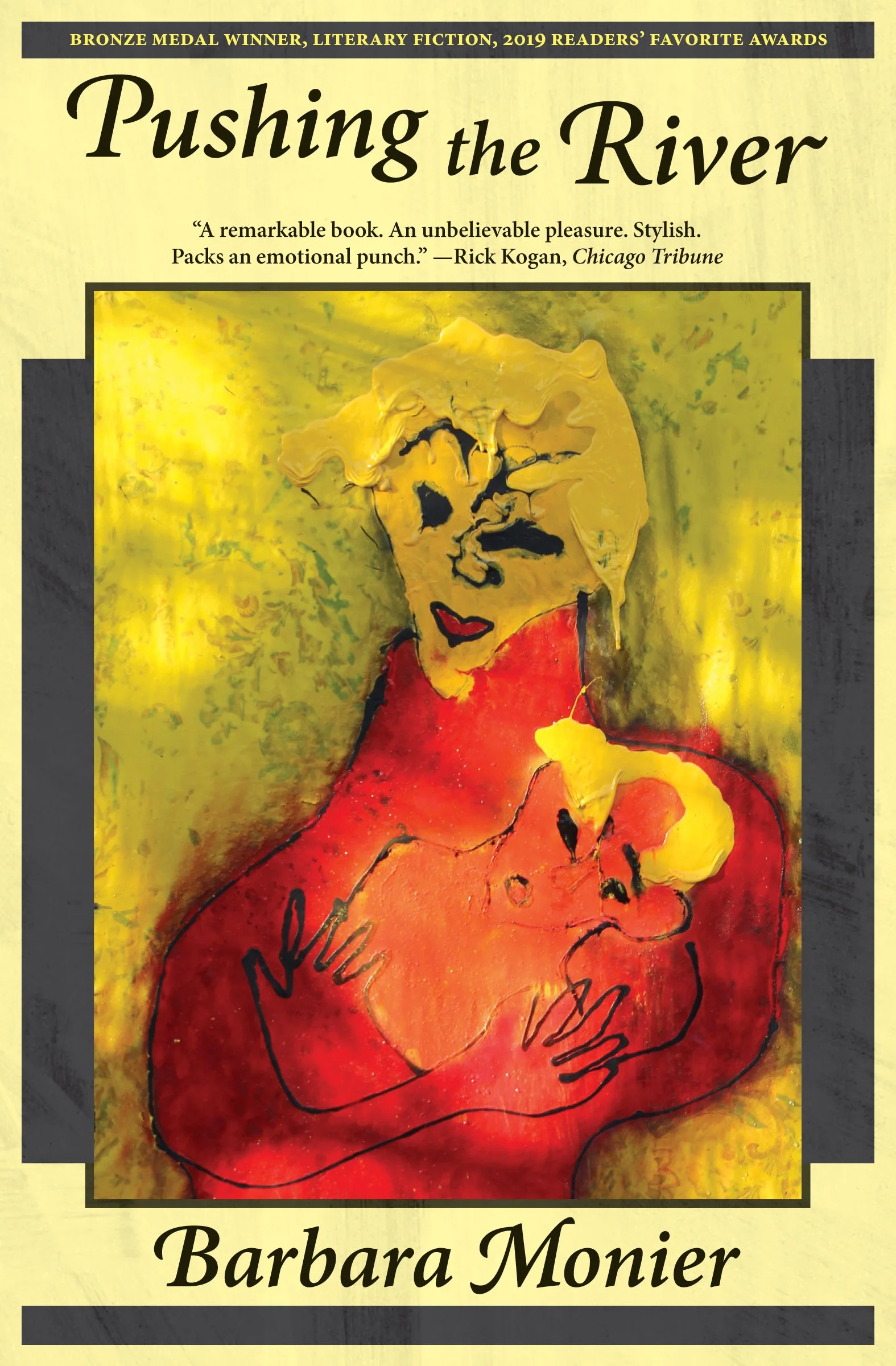
Pushing the River
BRONZE MEDAL WINNER, LITERARY FICTION, 2019 READERS’ FAVORITE AWARDS
In Pushing the River, Barbara Monier’s third novel, a family crisis erupts when a fifteen-year-old becomes pregnant and decides to keep the baby.
Madeline describes her house as an empty shell inhabited by ghosts. She has been living alone for years, keeping to a few rooms, surrounded by the possessions of her ex-husband and grown children. Over the course of four months, people accumulate in the household one by one—including Madeline’s new love interest, who unexpectedly shows up carrying grocery bags full of his clothes.
Pushing the River is told largely through Madeline’s eyes. As we discover how she came to “push the river,” the unfolding action is interspersed with Madeline’s memories of her own mother, driving a message of sometimes-anarchic confusion, occasional angst, and powerfully abiding love across the generations of a familiar American family.